

Over the past decade, military drone systems have evolved from niche surveillance tools into core combat assets that reshape modern warfare. What began as limited intelligence-gathering platforms has expanded into a full spectrum of unmanned capabilities—from small tactical FPV drones to long-endurance stealth unmanned combat aerial vehicles (UCAVs).
This article reviews the key stages, technological breakthroughs, and battlefield applications driving military drone development over the last 10 years, while highlighting how advanced power solutions support next-generation unmanned systems.
From Support Tools to Frontline Combat Assets
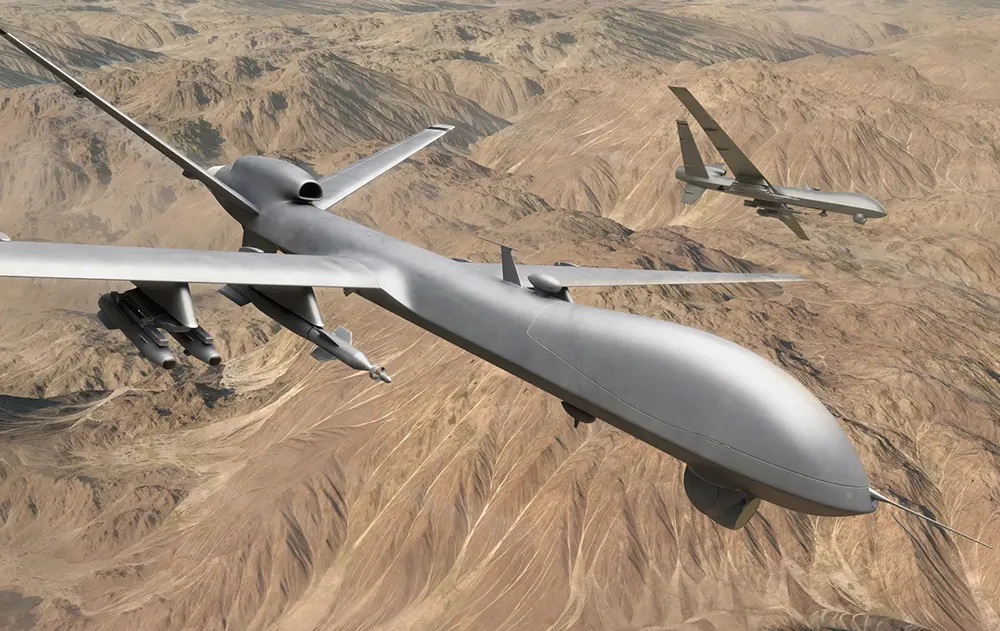
A decade ago, military drones were mostly used for intelligence, surveillance, and reconnaissance (ISR) missions. Platforms like the MQ‑1 Predator and early MQ‑9 Reaper focused on long-endurance monitoring and limited precision strikes in low-threat environments. Drones were seen as auxiliary equipment, not central to battle outcomes.
The turning point came around 2020. During the Nagorno‑Karabakh conflict, armed drones destroyed armored formations, neutralized air defenses, and directly determined battlefield momentum. For the first time, the world witnessed drones acting as primary strike weapons rather than supporting tools.
Since 2022, large‑scale drone employment in the Ukraine conflict has further accelerated evolution. Military drones now perform daily missions including reconnaissance, precision strikes, electronic warfare, communications relay, and target acquisition. Loitering munitions, FPV attack drones, and swarm systems have become standard tactical equipment, fundamentally changing infantry and armored operations.
For an authoritative analysis of how military drones transformed modern warfare, refer to:
How are Drones Changing Modern Warfare?
Key Technological Leaps in the Past Decade
1. Stealth and Survivability
Modern military drones increasingly use stealth designs, low‑observable materials, and anti‑jamming systems to operate in contested airspace. Stealth UCAVs like the X‑47B and European Neuron reduce radar cross‑section, enabling penetration missions against modern air‑defense systems.
2. Autonomy and Swarm Technology
AI and autonomous flight have matured significantly. Early drones relied heavily on manual control; today’s systems feature autonomous navigation, target recognition, and even coordinated swarm attacks. Swarm drones use numbers to overwhelm defenses, creating a cost‑effective asymmetric advantage.
3. Endurance and Range Extension
Advancements in aerodynamics and energy systems have doubled or tripled endurance. Many tactical military drones now fly 12–24 hours, while large HALE platforms exceed 30 hours. Satellite data links extend operational ranges beyond line‑of‑sight, supporting global strategic deployment.
4. Modular Payload Integration
Modular design allows rapid reconfiguration for ISR, strike, EW, or communication roles. This flexibility drastically cuts costs and improves mission adaptability across battlefields.
For a comprehensive strategic overview of global military drone development, read:
IISS Strategic Dossier: UAVs – ISR, Deterrence and War
Power Innovation: The Hidden Driver of Military Drone Performance
Behind every advanced military drone is a high‑performance power system. Energy density, discharge stability, safety, and durability directly affect flight time, payload capacity, and mission success.
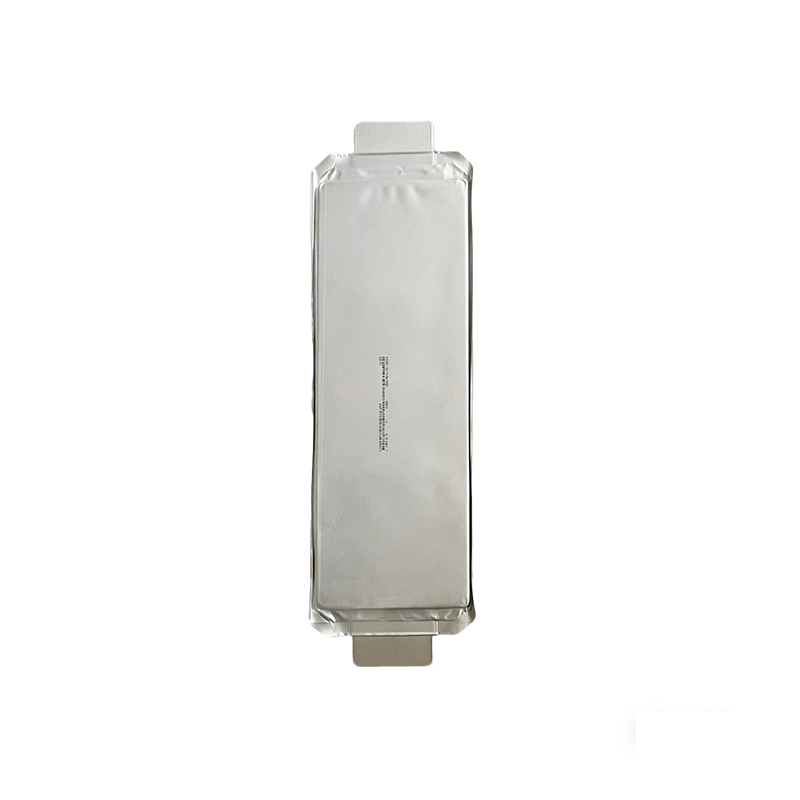
Defnoco supports the evolution of military and tactical drones with specialized high‑performance battery solutions. With 14+ years of expertise in high‑rate lithium polymer and semi‑solid‑state batteries, Defnoco provides reliable power for reconnaissance drones, FPV attack systems, and small tactical UAVs.
Our military‑grade drone batteries feature:
- Ultra‑high energy density for extended mission endurance
- Ultra‑low internal resistance and stable high‑rate discharge
- Enhanced safety and stability under extreme conditions
- Custom configurations for flexible airframe integration
At the recent Shenzhen International UAV Expo, Defnoco unveiled new semi‑solid‑state batteries reaching 400–500 Wh/kg, extending flight time by 35%–60% compared to conventional solutions. These next‑generation power systems are ideal for military drones requiring longer range, heavier payloads, and greater operational flexibility.
Outlook for the Next Generation of Military Drones
The next phase of military drone development will focus on deeper integration of AI, manned‑unmanned teaming, universal modular platforms, and integrated counter‑drone capabilities. Power systems will remain a critical battlefield enabler.
As military drones become smarter, longer‑ranging, and more autonomous, advanced energy solutions will continue to unlock their full potential. Manufacturers like Defnoco remain committed to developing safer, higher‑density, and more reliable batteries to empower the future of unmanned combat.
In just 10 years, military drones have rewritten the rules of warfare. With sustained innovation, they will become even more central to global defense and security strategies in the years ahead.